
A Guide to Cinematic and FPV Drone Media Production
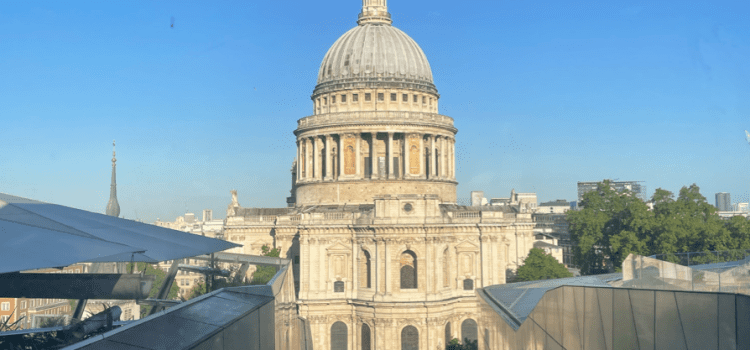
Drone cinematography has progressed from a cinematic novelty into a core component of professional aerial media production. Once limited to high-budget film crews and complex logistics, aerial imaging is now scalable, precise, and widely integrated into marketing, architectural visualisation, and creative workflows across the UK.
At Survey Air, our UAV media operations combine precision-engineered platforms, advanced flight control systems, and expert piloting to deliver high-resolution aerial footage. By integrating cinematic UAVs with agile FPV drones, we capture perspectives that were previously unattainable, balancing technical robustness with visual impact.
This article examines two key aerial filming systems, Cinematic Drones and First-Person View (FPV) Drones, and explores their camera, lens, and filter configurations for professional media production.
Cinematic vs FPV
In professional drone cinematography, two dominant UAV categories define how aerial content is captured: Cinematic Drones, such as the DJI Mini, Mavic, and Inspire series, and FPV Drones, engineered for immersive, high-velocity flight.
Cinematic platforms prioritise stability, image fidelity, and repeatability. Integrated 3-axis gimbals, advanced flight controllers, and multi-directional obstacle sensing allow operators to capture smooth footage reliably. Intelligent flight modes, extended battery endurance (20–30 minutes), and precision navigation make these systems ideal for architectural showcases, real estate marketing, and expansive landscape cinematography.
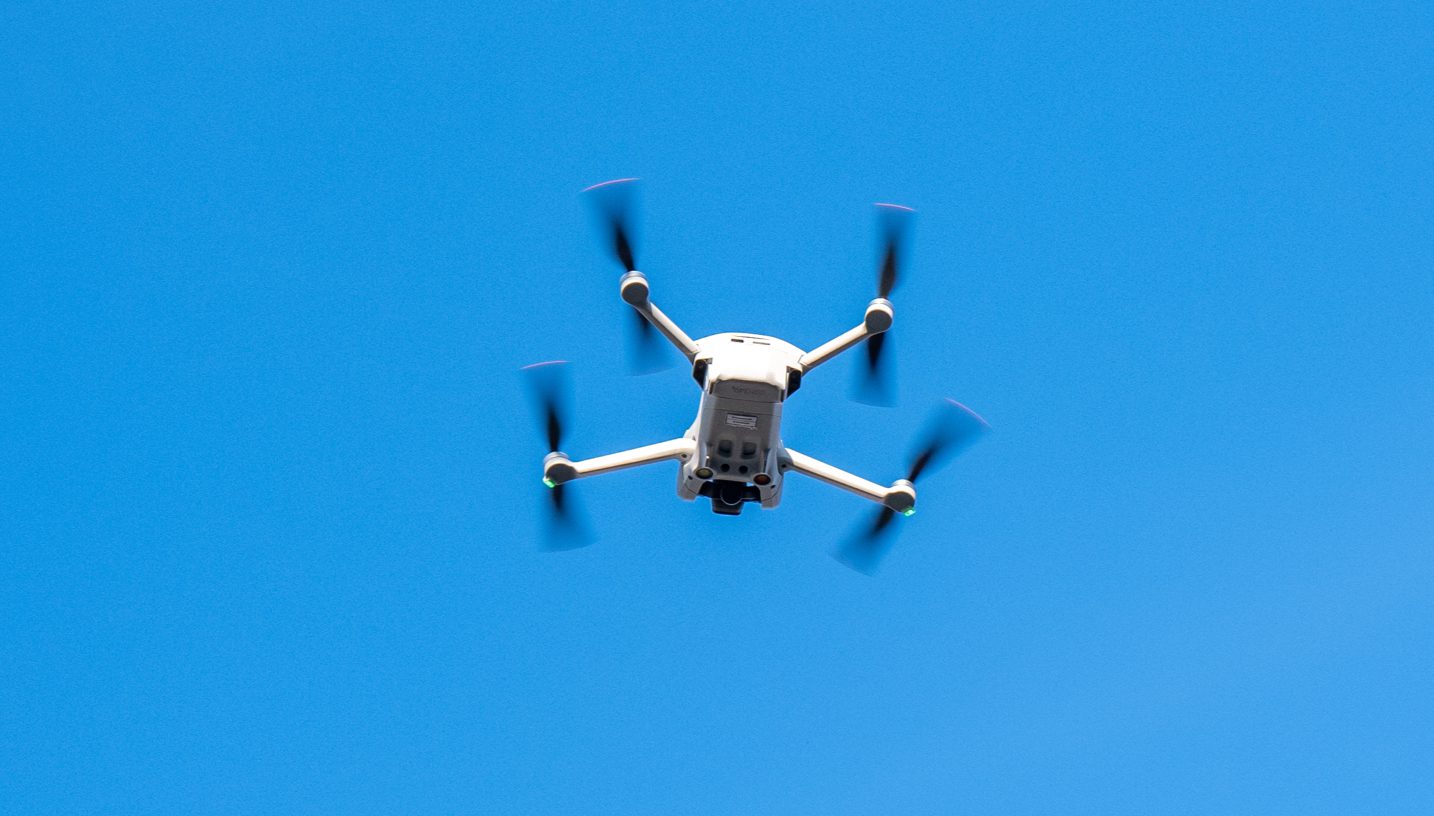
A DJI Mini series drone performing cinematic aerial capture with stabilised gimbal footage.
FPV drones, by contrast, emphasise agility and dynamic visual storytelling. Skilled pilots navigate via live-feed goggles, performing acrobatic manoeuvres, high-speed passes, and close-proximity flights. While these platforms deliver highly engaging, cinematic footage, they require expert piloting and post-production stabilisation to achieve professional-grade results.
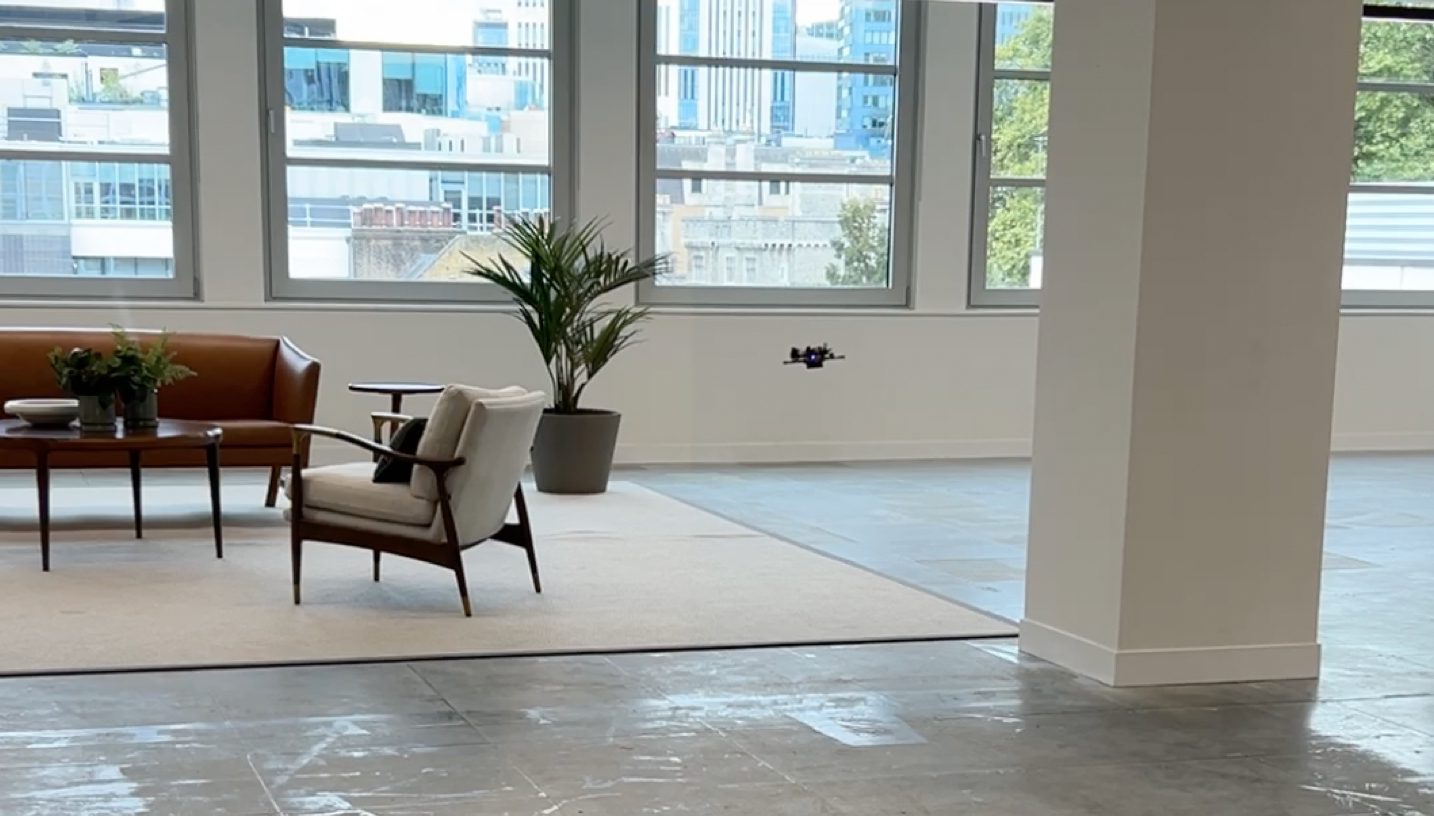
A custom-engineered FPV drone prepared for immersive, high-performance aerial cinematography.
This distinction underlines the importance of matching drone type to project requirements, ensuring both technical accuracy and creative impact in UAV media production.
Optical Control & Image Quality
A foundational principle in professional cinematography is the 180-degree shutter rule, which dictates that shutter speed should be approximately double the frame rate. For instance, shooting at 24 frames per second typically requires a shutter speed of 1/50th of a second. This ensures natural motion blur, delivering smooth, realistic visuals that are visually comfortable for the viewer.
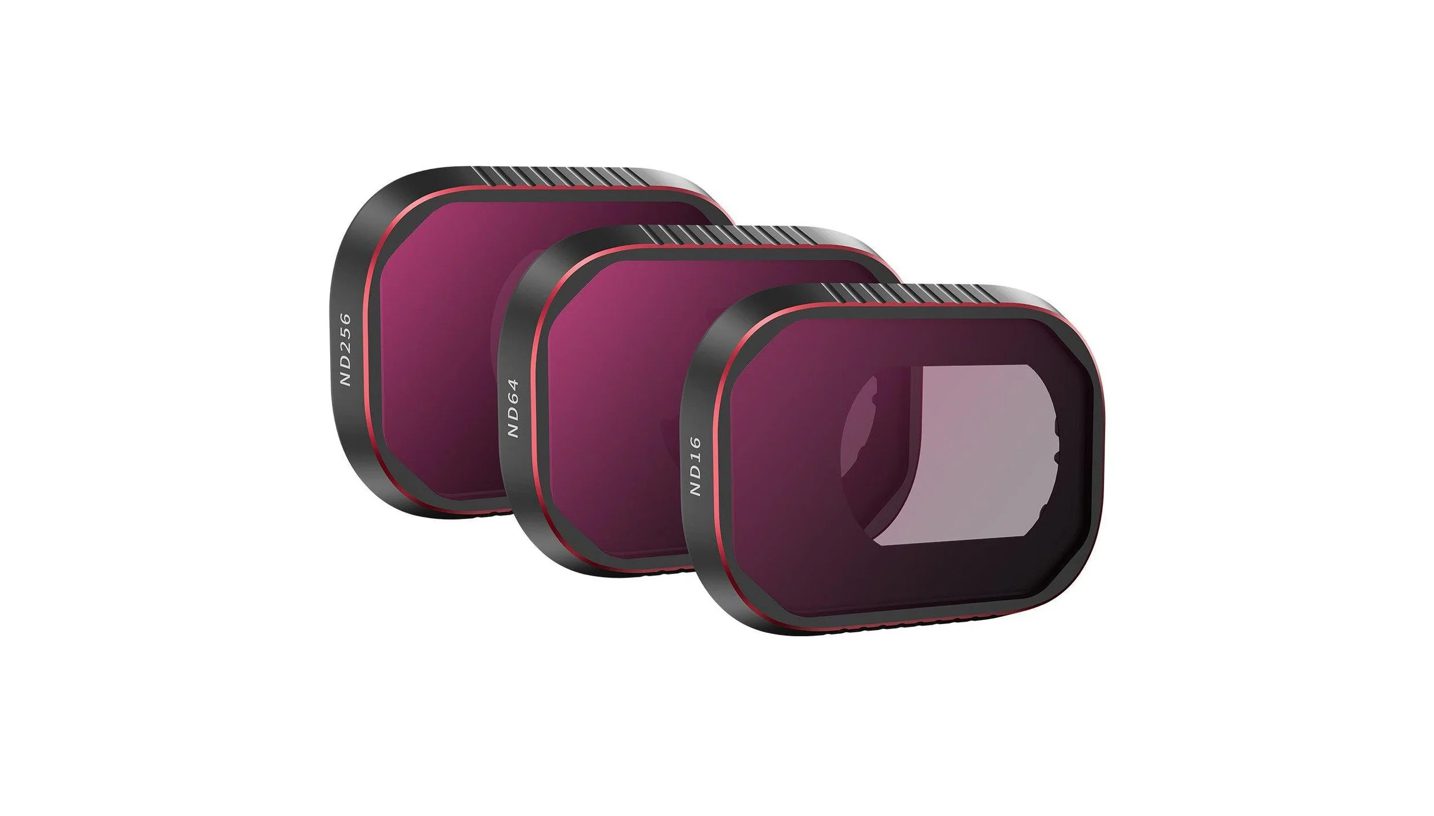
ND filters used in drone cinematography to regulate light and achieve natural motion blur.
Neutral Density (ND) filters act as the drone’s “sunglasses,” enabling operators to maintain the 180-degree shutter principle in bright daylight. By reducing light intake, ND filters prevent overexposure while allowing slower shutter speeds. Common filter strengths — ND8, ND16, ND32 — provide graduated control over light, giving pilots the flexibility to adapt to varying environmental conditions.
Cinematic drones often feature fixed, wide-angle lenses optimal for expansive scenes. Professional UAV platforms allow interchangeable lenses via Micro Four Thirds or DL-Mounts, offering focal flexibility including telephoto options for tight or distant shots. Proper lens and filter selection is critical to achieving marketing-ready visuals with consistent quality.
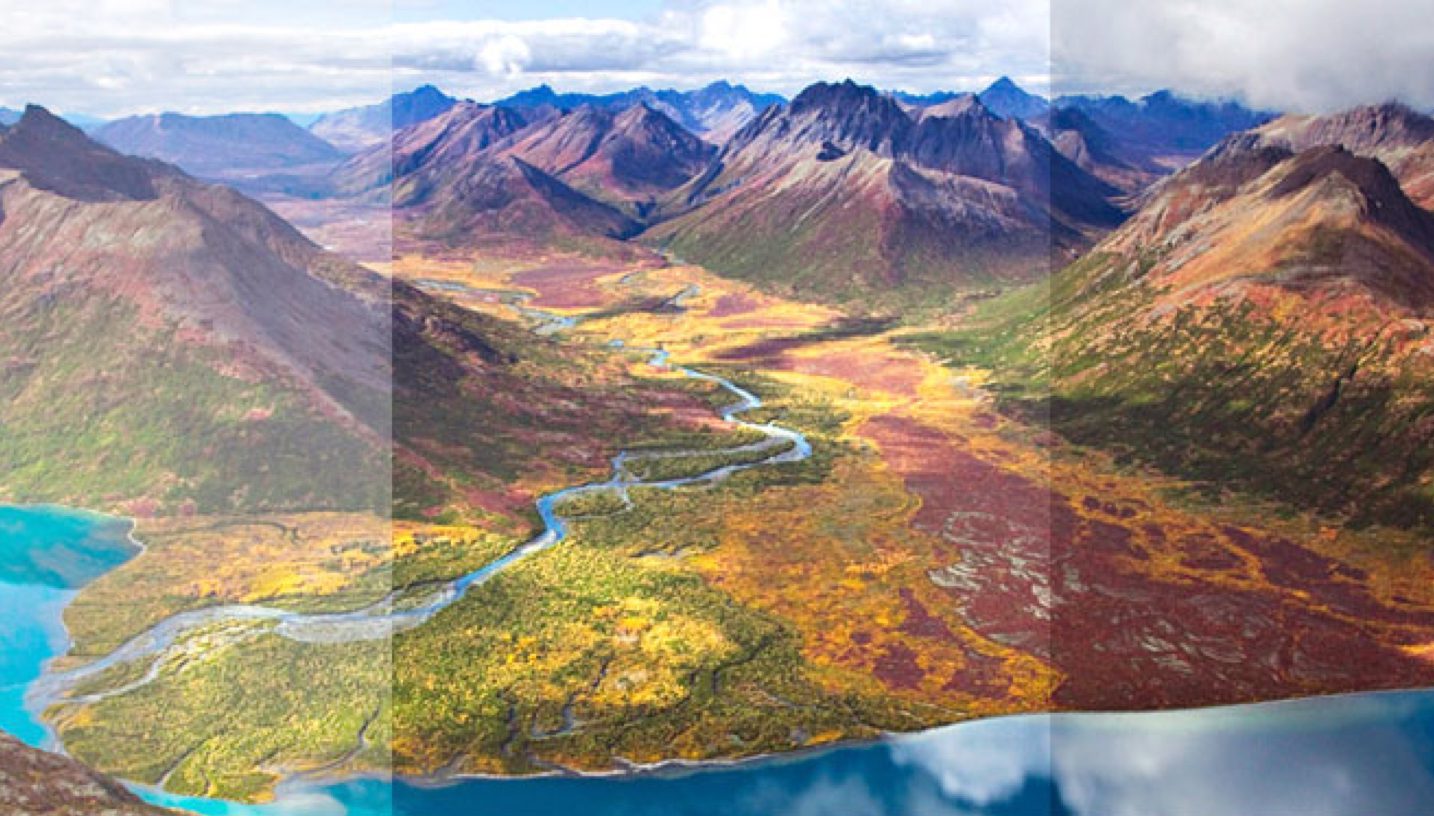
A comparison of ND filter effects showing how different strengths influence exposure and cinematic motion.
FPV Camera Systems
Full-size action cameras, such as the GoPro HERO series, offer exceptional image quality, high frame rates for slow-motion capture, and robust internal stabilization, making them well-suited for larger FPV platforms, typically five inches or more. These cameras provide reliable performance for dynamic aerial sequences, balancing durability with cinematic output.
Smaller, more agile FPV drones, including Cinewhoops, require lightweight solutions to maintain optimal manoeuvrability. Operators often utilise stripped-down camera configurations, such as the GoPro Bones or custom “naked” mounts, which remove the case, battery, and screens. This weight reduction enhances flight responsiveness and precision, enabling complex manoeuvres like rapid dives, rolls, and close-proximity navigation.
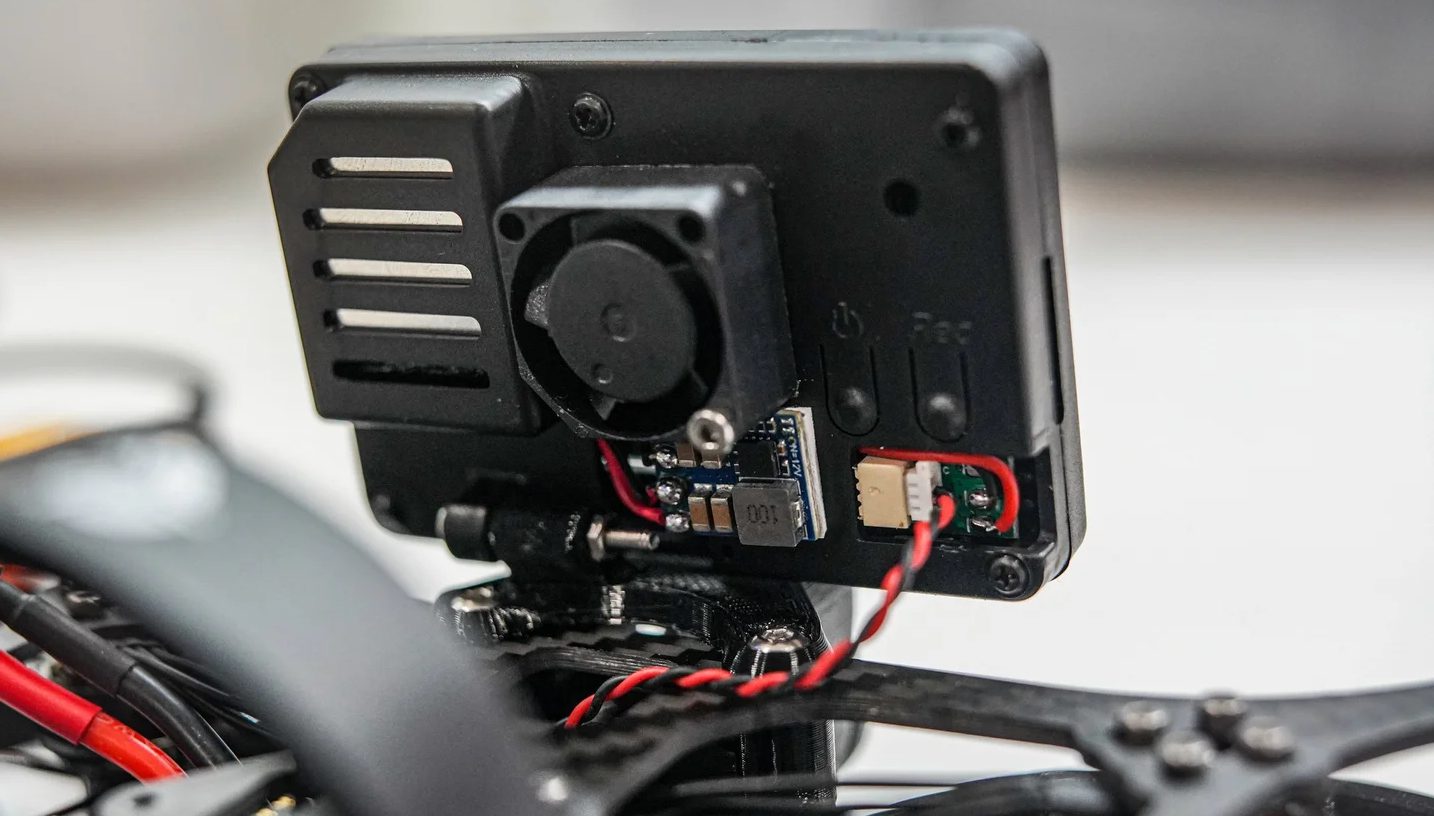
A stripped-down GoPro mounted on an FPV drone to optimise flight performance and image quality.
Post-production plays a pivotal role in delivering polished footage. Raw FPV video often exhibits instability due to the aggressive flight dynamics. Leveraging gyroscope data from the camera’s internal sensors, software can stabilise footage effectively, transforming high-speed aerial sequences into smooth, cinematic outputs.
By combining optimised camera selection, weight-efficient mounts, and advanced post-processing techniques, FPV operators can produce visually compelling aerial content that complements traditional cinematic UAV footage, offering immersive perspectives for marketing, creative media, and dynamic property showcases.
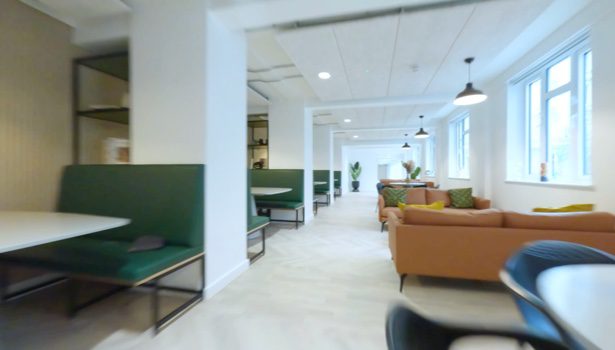
An FPV drone fly-through highlighting a modern interior refurbishment with smooth, stabilised footage.
Conclusion
In summary, achieving impactful aerial content begins with selecting the right UAV platform for the intended application.
Cinematic drones deliver stability, ease of operation, and high-resolution imagery, whereas FPV drones provide dynamic, immersive perspectives and rapid manoeuvrability, enabling energetic sequences and complex flythroughs.
Technical considerations, including ND filters and post-production stabilisation, are essential to achieving smooth, professional footage. By matching the appropriate drone, camera, and accessories to the creative vision, operators can produce visually compelling, technically precise, and client-ready aerial content.
Contact Us
At Survey Air, our expertise lies in combining UAV engineering, media technology, and creative storytelling to deliver aerial content that exceeds client expectations, whether for marketing campaigns, promotional media, or events.